What’s Hiding In Your Air Ducts?
Common Contaminants Found In Residential HVAC Systems
Many homeowners rarely think about their air ducts, yet they play a critical role in the comfort, efficiency, and indoor air quality of the home.
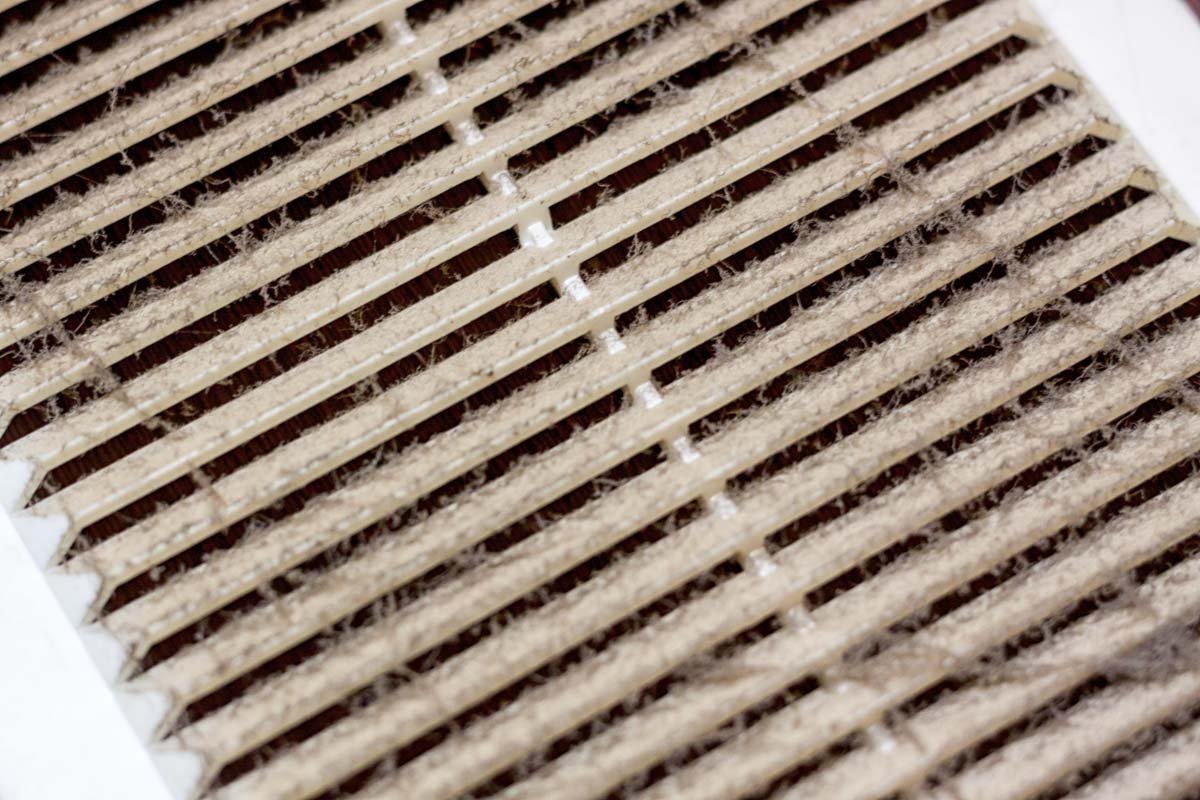
Every day, your HVAC system circulates air through a network of ducts hidden behind walls, ceilings, floors, and crawl spaces. Over time, dust, debris, pet dander, and other contaminants can accumulate within the system and affect the air moving throughout your home.
Understanding what can build up inside your ductwork and when professional inspection may be beneficial can help homeowners make informed decisions about indoor comfort and HVAC performance.
Why Your Air Ducts Matter
Your ductwork acts as the delivery system for heated and cooled air throughout your home.
When ducts are clean and operating properly, conditioned air can move efficiently from your HVAC system to each room. When contamination, damage, or restrictions develop within the ductwork, airflow and overall system performance may be affected.
Because the average family spends a significant amount of time indoors, maintaining a healthy indoor environment starts with understanding the systems responsible for moving air throughout the home.
What Can Build Up Inside Air Ducts?
Air ducts naturally collect airborne particles over time. While some buildup is normal, excessive accumulation may warrant further inspection.
-
Dust is one of the most common materials found inside residential ductwork.
Even with regular housekeeping and quality filtration, small particles continue circulating through the HVAC system and may settle inside the duct network.
-
Homes with dogs, cats, or other pets often experience increased levels of pet hair and dander throughout the HVAC system.
These particles can accumulate over time and contribute to dust buildup within the ductwork.
-
Outdoor allergens can enter the home through open doors, windows, clothing, and ventilation systems.
Once inside, pollen may circulate through the HVAC system and settle in ductwork.
-
Homes that have undergone remodeling, flooring replacement, drywall work, or other construction projects may have dust and debris remaining within portions of the duct system.
-
In certain situations, excess moisture can create conditions that may support mold growth within HVAC components or ductwork.
If mold is suspected, a professional inspection should be performed to determine the source of the problem and the appropriate corrective action.
Signs Your Ductwork May Need Attention
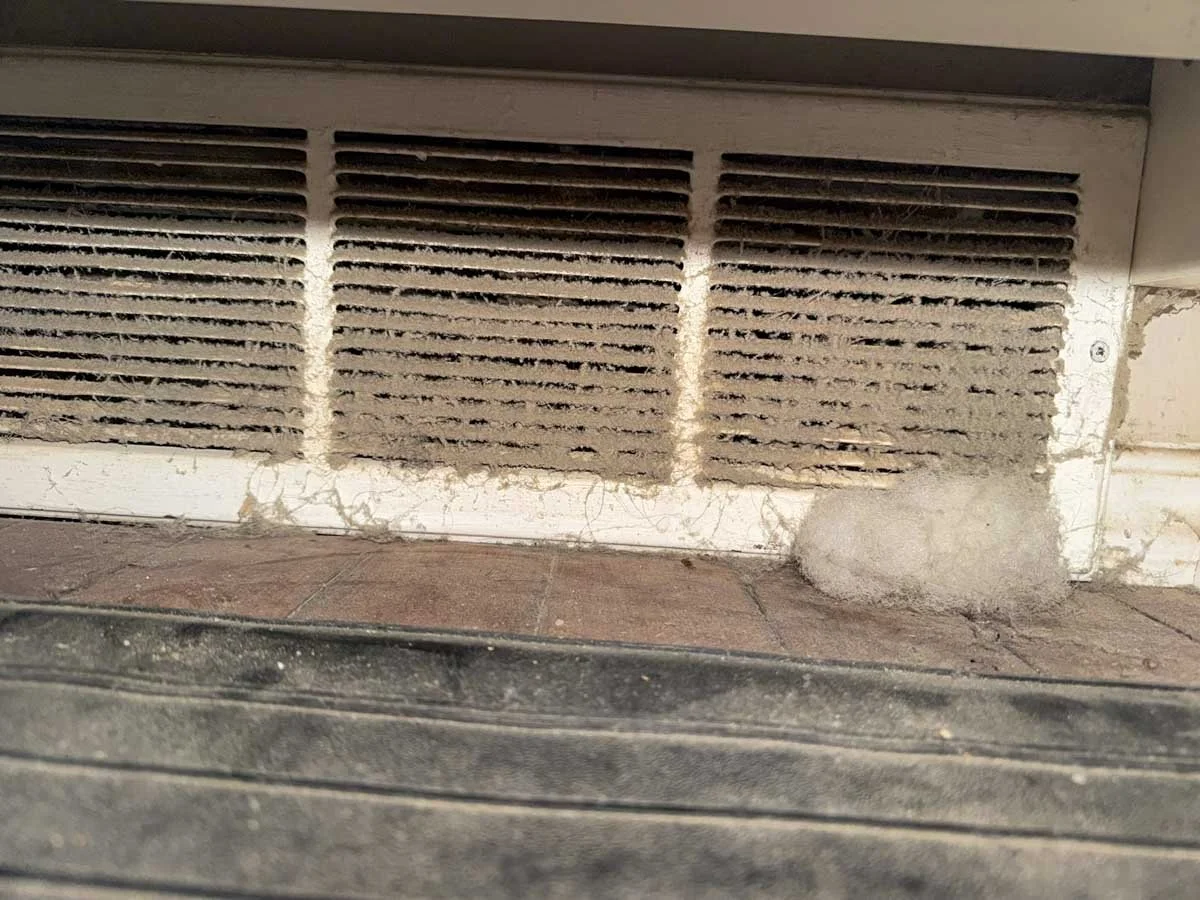
While every home is different, several signs may indicate that your ductwork should be inspected.
Common signs include:
Excessive dust accumulation throughout the home
Dust collecting around supply registers and vents
Increased allergy or respiratory irritation
Uneven airflow between rooms
Musty or stale odors when the HVAC system operates
Reduced heating or cooling performance
Recent remodeling or construction projects
These symptoms do not automatically mean duct cleaning is required, but they may indicate that further evaluation is worthwhile.
Can Dirty Ducts Affect Indoor Air Quality?
Indoor air quality plays an important role in comfort and overall home health.
Dust, allergens, and airborne particles can continue circulating throughout a home’s HVAC system. While filtration helps capture many contaminants, excessive buildup within the system may contribute to indoor air quality concerns.
Homeowners interested in improving comfort and air quality may also benefit from exploring Indoor Air Quality Solutions, including filtration upgrades, air purification systems, humidifiers, and dehumidifiers.
Can Dirty Ducts Affect HVAC Efficiency?
Airflow restrictions can force heating and cooling equipment to work harder to maintain desired temperatures.
While duct cleaning is not a cure-all for HVAC performance issues, excessive debris, damaged ductwork, or airflow restrictions can contribute to reduced system efficiency.
Routine inspections and preventative maintenance can help identify developing concerns before they become larger problems. Learn more about our HVAC Maintenance Plans designed to help keep your system operating efficiently year-round.
When Should Ductwork Be Inspected?
Homeowners may consider a professional duct inspection when:
Purchasing a home
Completing a major remodeling project
Experiencing persistent dust issues
Investigating indoor air quality concerns
Discovering airflow imbalances
Addressing unexplained odors
Evaluating overall HVAC system performance
An inspection can help determine whether cleaning, repairs, sealing, or other improvements may be beneficial.
Professional Duct Cleaning vs. DIY Cleaning
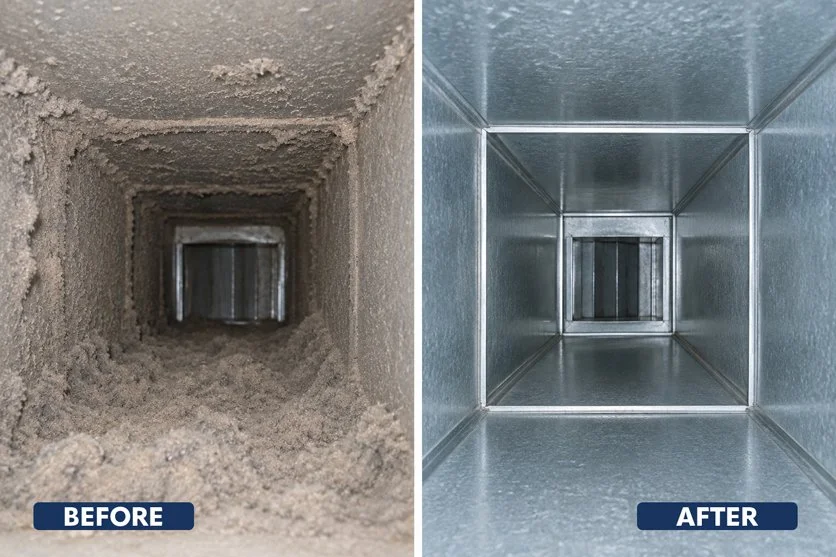
While homeowners can clean supply and return vent covers and maintain HVAC filters, most ductwork extends far beyond the areas that are easily accessible.
Professional equipment is designed to reach deeper into the system and remove accumulated debris while minimizing the spread of contaminants throughout the home.
The goal is not simply to make ducts look clean, but to evaluate the overall condition of the duct system and address any issues affecting airflow, cleanliness, or performance.
Protect Your Home’s Air Quality and Comfort
Your ductwork is an important part of your home’s heating and cooling system. Keeping it clean, properly maintained, and functioning efficiently can help support better airflow, improved comfort, and healthier indoor air quality.
If you have concerns about dust, airflow, odors, or overall HVAC performance, professional Duct & Dryer Vent Cleaning services may help identify potential issues and improve system performance.
Related Services